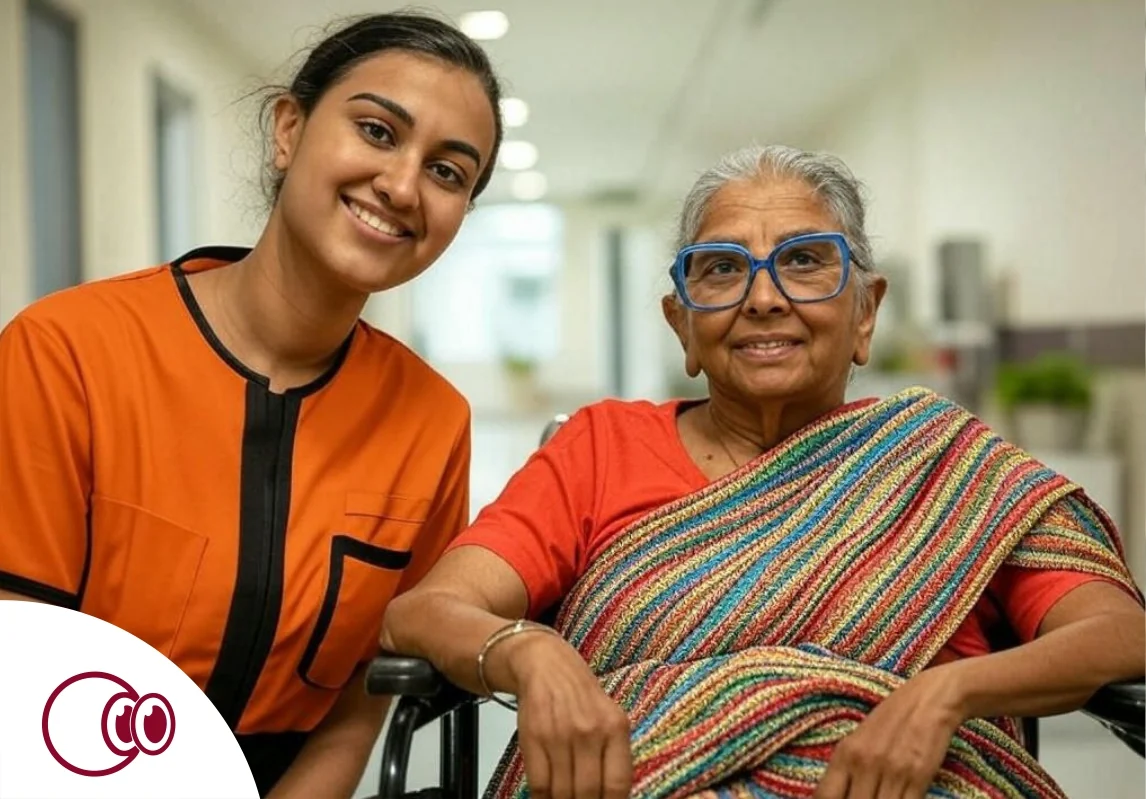
Safe activity depends on wound healing, graft type, gas bubble and access to follow-up care.
Understanding the procedure or concern
Most patients can gradually return to normal daily activity after corneal transplant, but the timetable differs between endothelial and stitched grafts. The eye remains vulnerable to rubbing, impact and infection during recovery.
Corneal transplantation replaces only the diseased layers when possible, or the full cornea when necessary. The purpose is to improve clarity or protect the eye, but the final vision also depends on the retina, optic nerve, eye pressure, cataract and the shape of the healed graft.
Why the decision is individual
Air travel may be restricted when a gas bubble is present because pressure changes can be dangerous. Swimming, dusty environments, heavy lifting and contact sports are usually avoided until the surgeon confirms safety.
The success of transplantation is not judged only by whether the donor tissue is clear. Eye pressure, wound shape, stitches, cataract and retinal health also influence final vision. Rehabilitation with glasses or contact lenses may continue after the graft itself has healed.
Examination and surgical planning
Before travelling, carry medicines, a copy of the operation note and contact details for urgent care. Keep drops in hand luggage and do not allow the schedule to be disrupted.
Evaluation identifies the layer causing the problem and checks visual potential. Slit-lamp examination, corneal imaging, thickness measurement and assessment of the rest of the eye help select DALK, DSAEK, DMEK, PK or another option. The surgeon also reviews previous operations and the patient’s ability to follow aftercare.
Treatment, recovery and follow-up
Recovery requires medicines, protection and repeated examinations. Some grafts use stitches; endothelial grafts may need temporary positioning and occasionally an additional air or gas procedure. Steroid drops are often reduced slowly and should never be stopped without advice.
Daily care after transplantation
Wash hands before drops, avoid rubbing and protect the eye from impact. Keep medicines available during travel and note the emergency symptoms of redness, pain, light sensitivity and reduced vision. A graft remains an eye that needs long-term follow-up even after good vision returns.
Keep a simple record of symptoms, medicines and changes in vision. This makes follow-up more useful and helps the care team decide whether the condition is improving, stable or needs a different plan.
Warning signs that need urgent review
Use protective eyewear for risk activities and seek immediate help for pain, redness, light sensitivity or reduced vision. Long-distance travel should not replace scheduled early follow-up.
Seek urgent ophthalmic care for sudden loss of vision, severe or increasing pain, chemical exposure, a penetrating or high-speed injury, a rapidly worsening red eye, marked light sensitivity, pus-like discharge or a visible white spot on the cornea. Contact-lens wearers should remove the lens immediately when pain or redness begins.
Practical points to remember
- Travel, Exercise and Daily Activity After Corneal Transplant should be assessed in the context of vision, symptoms and an eye examination.
- Use prescribed eye drops and contact lenses exactly as directed; do not share or reuse old medicines.
- Keep previous scans, prescriptions and surgery records so that changes can be compared over time.
- Sudden vision loss, severe pain, injury, chemical exposure or rapidly increasing redness needs urgent professional assessment.
Preparing for your visit
Bring previous prescriptions, scans, operative notes, all current eye drops and a list of medical conditions or medicines. Contact-lens users should bring their lenses, case and cleaning products. Ask whether lenses need to be stopped before corneal mapping. Write down when the symptoms started, what makes them better or worse, and any injury, surgery or treatment that happened before the problem began.
Frequently asked questions
What is the main point to understand about Travel, Exercise and Daily Activity After Corneal Transplant?
Safe activity depends on wound healing, graft type, gas bubble and access to follow-up care. The exact cause and best next step depend on an in-person eye examination.
How is travel, exercise and daily activity after corneal transplant evaluated?
The ophthalmologist checks vision and examines the eye with a slit lamp. Corneal mapping, thickness measurement, tear tests, eye-pressure testing, dilated examination or laboratory sampling may be added when the finding requires them.
Can I treat this problem with over-the-counter eye drops?
Lubricating drops may reduce simple surface discomfort, but they do not treat every cause. Do not start steroid, antibiotic or redness-relief drops without an eye-care professional, especially when pain, injury, contact-lens wear or reduced vision is present.
When should I seek urgent eye care?
Seek urgent care for sudden vision loss, severe eye pain, chemical exposure, eye injury, rapidly increasing redness, marked light sensitivity, discharge or a visible white spot on the cornea.
This article is for general patient education and does not provide a diagnosis or individual treatment plan. Sudden loss of vision, severe eye pain, chemical injury, trauma or rapidly increasing redness requires urgent professional assessment.